
 Save
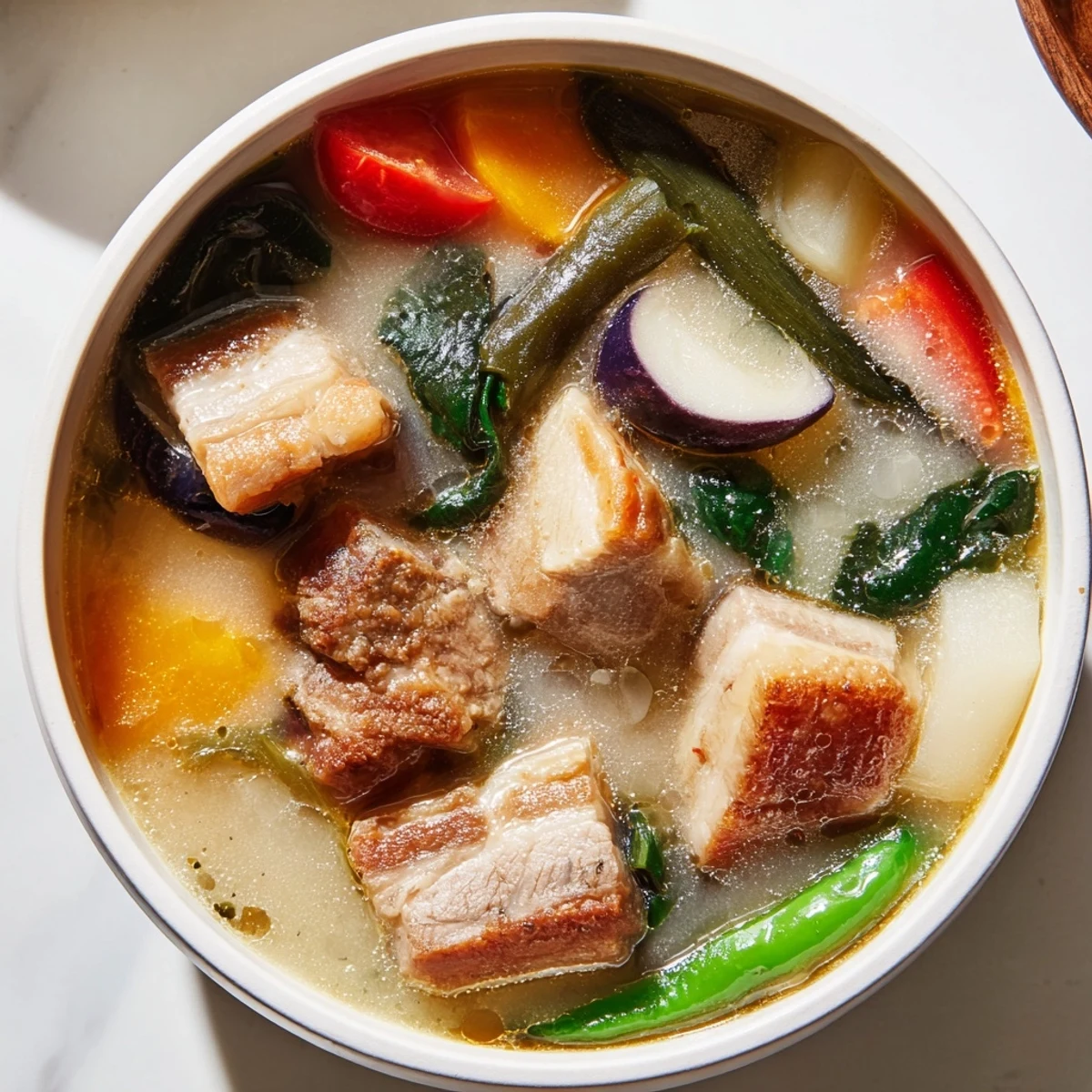
Save Experience the comforting flavors of authentic Filipino Sinigang, where tender pork simmers with tomatoes, radish, eggplant, and string beans in a signature tamarind-infused broth. This tangy, savory soup balances rich meatiness with bright acidity, creating a warming dish perfect for sharing over steamed rice. Ready in just over an hour, it's a beloved staple that brings family together.
The first time my Filipino neighbor invited me over for dinner, she apologized in advance for how sour the soup would be. I laughed, not understanding that she was describing Sinigang, the dish that would completely rearrange my understanding of comfort food. That afternoon rain tapped against her window while a pot bubbled away on the stove, filling the entire apartment with this impossible bright tangy aroma that made my mouth water before I even saw the table.
Last winter, when my sister was recovering from surgery and couldn't taste much of anything, Sinigang was the first dish that actually made her eyes light up. The acidity cut through her medicine fog, and she asked for three bowls, the vegetables so tender they practically melted on her spoon while the pork fell apart at the slightest touch.
Ingredients
- 1 kg pork belly or pork ribs: The fat here is essential because it carries the sour flavor and keeps the meat incredibly tender as it simmers
- 2 medium tomatoes: These break down completely and become part of the broth, adding sweetness to balance the sharp tamarind
- 1 large onion: Quarter them so they dont fall apart too quickly while the base flavors develop
- 1 daikon radish: This absorbs the broth like a sponge and becomes the most surprising bite in the whole bowl
- 10 string beans: They stay satisfyingly crisp even after simmering, adding texture to every spoonful
- 1 eggplant: Slice it thick so it doesnt disappear into the soup but holds its shape
- 2 cups spinach or kangkong: Added at the very end so they just wilt and stay bright green
- 1 packet tamarind soup base mix: This is what makes Sinigang sing, though fresh tamarind pulp will give you a more complex sour note
- 2 tbsp fish sauce: Adds that essential salty depth that keeps the sourness from being one-note
- 6 cups water: Start with this and add more if the vegetables absorb too much liquid
Instructions
- Build your base:
- Bring water to a rolling boil in a large pot, add pork chunks, and carefully skim off the gray foam that rises to the top
- Develop the broth:
- Add tomatoes and onion, then lower heat and let everything simmer together for 20 minutes until pork starts yielding to the touch
- Add sturdy vegetables:
- Stir in daikon radish slices and cook for 10 minutes until they begin turning translucent at the edges
- Add delicate vegetables:
- Drop in eggplant, string beans, and those green chilies if you want gentle heat, then simmer 5 minutes
- Create the signature sour:
- Mix in the tamarind soup base until fully dissolved, or strain fresh tamarind pulp into the pot for that authentic homemade taste
- Season carefully:
- Add fish sauce, salt, and pepper, tasting after each addition because the sour flavor amplifies saltiness
- Finish with greens:
- Drop in spinach or kangkong leaves and turn off the heat after 2 to 3 minutes when just wilted
 Save
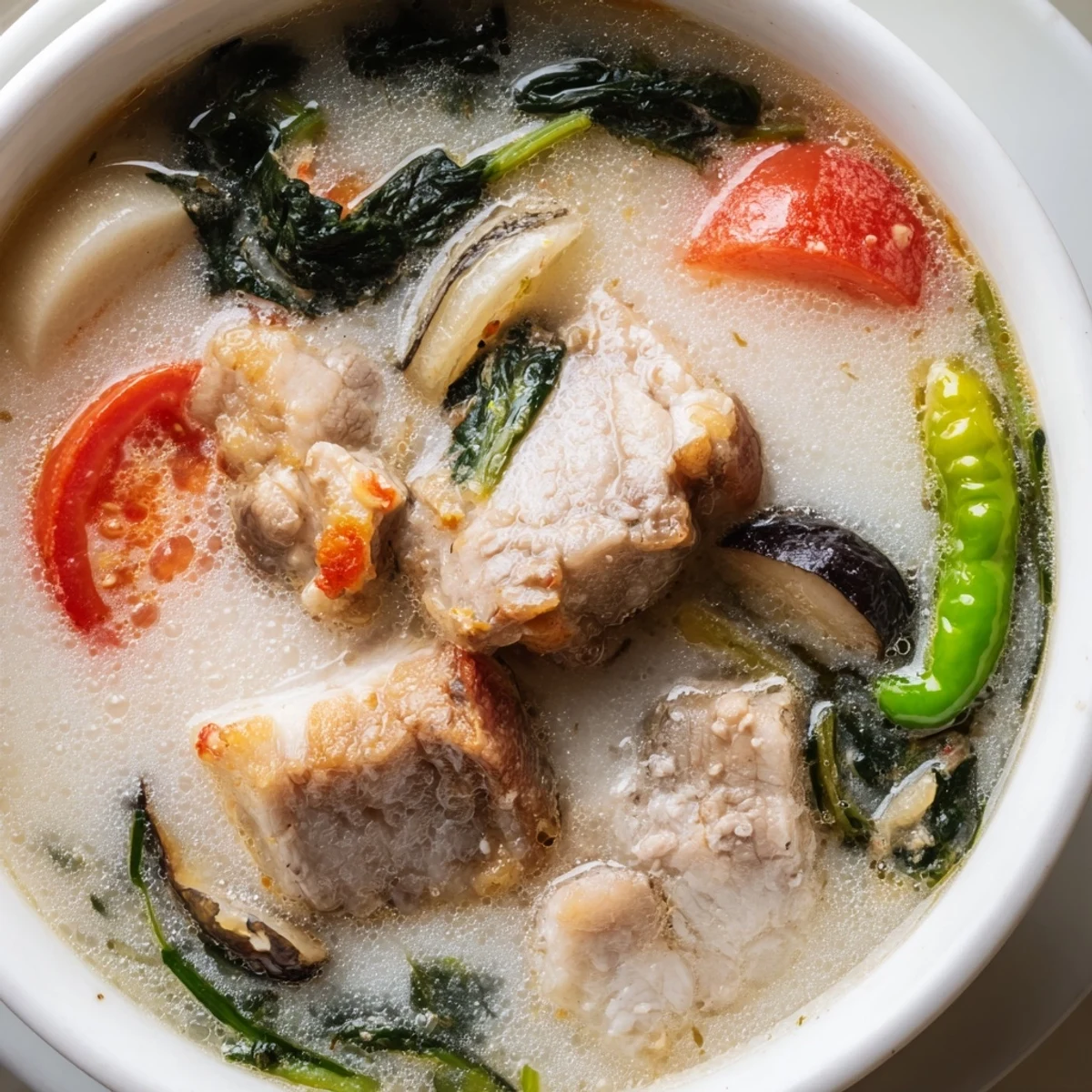
Save My friend's grandmother always said Sinigang tastes better the next day, and she was absolutely right. The acid mellows into something rounder while the vegetables continue releasing their sweetness into the broth, making leftovers something to look forward to rather than just reheating.
Choosing Your Protein
Pork belly gives you those luxurious tender bites, but ribs add even more flavor to the broth from their bones. If you switch to shrimp or fish, add them during just the last 10 minutes because seafood turns rubbery and sad if overcooked in that rolling boil.
Vegetable Timing
Learning when to add each vegetable changed everything for me. The radish needs time to soften but the spinach literally just needs a quick hello at the end, so add your ingredients in order of how long they take to become perfect.
Making It Your Own
Sinigang is incredibly forgiving once you understand the basic framework. Some nights I add okra for its natural thickening properties, other times I throw in taro chunks for extra heartiness.
- Try using guava instead of tamarind for a fruitier sour profile
- Add a splash of rice vinegar at the end if you want extra sharpness
- Always serve with steaming white rice to balance the intense flavors
 Save
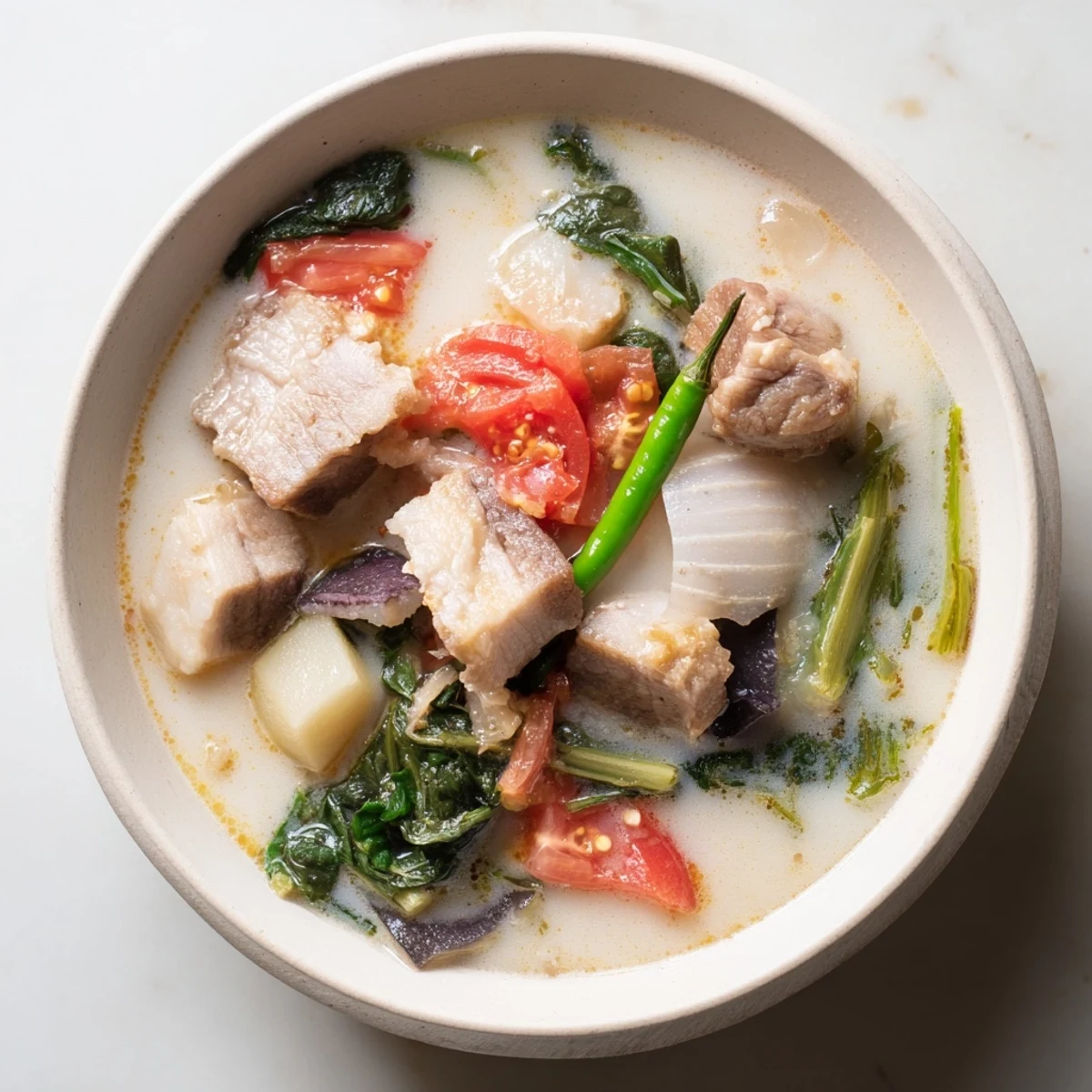
Save Theres something about a steaming bowl of Sinigang that feels like being wrapped in a blanket. Serve it hot, maybe on a rainy evening, and watch how quickly people ask for seconds.
Common Questions
- → What makes Sinigang sour?
-
The signature sourness comes from tamarind, which can be used fresh from pods or as a prepared soup base mix. Some regional variations also incorporate other souring agents like calamansi, guava, or unripe mangoes.
- → Can I make Sinigang with other proteins?
-
Absolutely. While pork belly or ribs are traditional, Sinigang works beautifully with shrimp, fish, beef, or even chicken. Seafood versions cook faster and should be added during the last 10 minutes to prevent overcooking.
- → What vegetables go best in Sinigang?
-
Classic additions include daikon radish, eggplant, string beans, tomatoes, onions, and leafy greens like spinach or kangkong (water spinach). You can also add okra, taro, or bok choy based on preference.
- → Is Sinigang spicy?
-
Traditional Sinigang isn't inherently spicy, but long green chili peppers are often added during cooking for subtle heat. You can omit them entirely or increase the amount to suit your spice tolerance.
- → How do I adjust the sourness level?
-
Start with the recommended amount of tamarind base, then taste before adding more. If it's too sour, balance it with a pinch more salt or a small amount of sugar. The broth should be tangy but still enjoyable.