
 Save
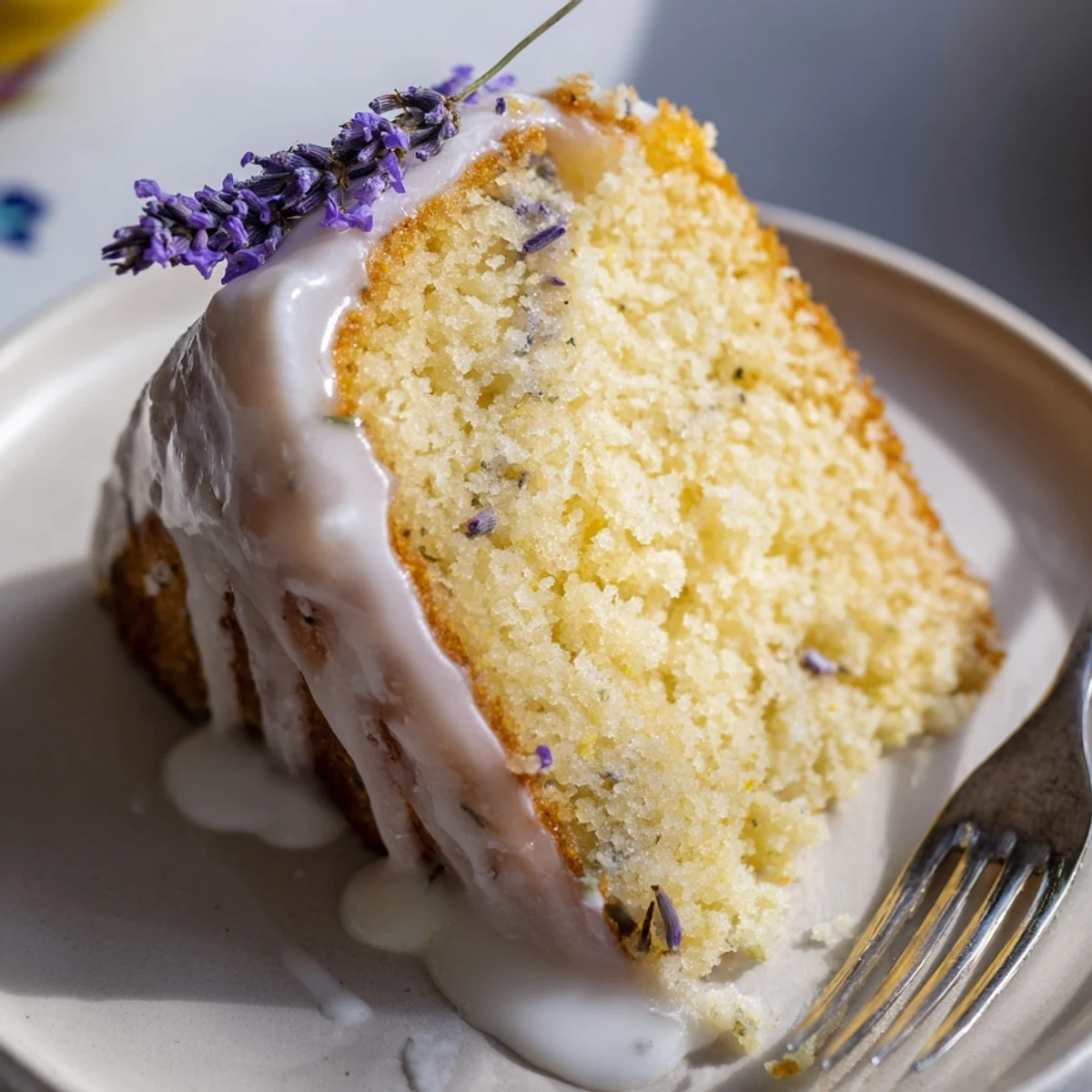
Save This delightful lemon lavender cake brings together bright citrus flavors with gentle floral undertones. The result is a tender, moist crumb that's perfect for spring celebrations, afternoon tea, or whenever you crave something elegant and comforting.
The preparation involves rubbing lemon zest into sugar to release essential oils, then folding in dried culinary lavender for that signature aromatic touch. A tangy lemon glaze adds the finishing flourish.
Ready in under an hour, this European-style dessert serves eight beautifully and pairs wonderfully with Earl Grey or chamomile tea.
My neighbor Martha grew lavender in her front garden, and on summer evenings, that sweet floral scent would drift through my open kitchen window while I baked. I kept wondering what would happen if I brought that garden inside, literally. So one Tuesday afternoon, I grabbed my kitchen shears and snipped a few stems, and this cake was born.
My sister was visiting from Seattle when I first made this, skeptical about flowers in her dessert. She took one bite, closed her eyes, and asked for the recipe before she even finished her slice. Now every time she visits, this cake appears on my counter like clockwork.
Ingredients
- 2 cups all-purpose flour: The foundation of your cake—spoon and level it, dont scoop directly or youll pack too much in
- 1 ½ teaspoons baking powder: Works with the baking soda to give your cake that beautiful rise
- ½ teaspoon baking soda: Balances the acidity from all that fresh lemon juice
- ¼ teaspoon salt: Just enough to make all the flavors pop forward
- 1 tablespoon dried culinary lavender: Pulse it briefly in a spice grinder or chop finely with a knife so you dont bite into big floral pieces
- 1 cup granulated sugar: Rub this with the lemon zest first—it releases the oils and infuses every crystal
- Zest of 2 lemons: Use a microplane and avoid the white pith, which tastes bitter
- ½ cup unsalted butter, softened: Leave it out for exactly 30 minutes—not rock hard, not melting
- 2 large eggs, room temperature: Cold eggs can seize your butter mixture, so give them a quick warm water bath
- 1 teaspoon vanilla extract: Pure extract makes a difference you can taste
- ¾ cup whole milk: Full fat creates a tender crumb, though I've used oat milk successfully too
- ⅓ cup fresh lemon juice: Squeeze it yourself and strain out the pulp or seeds
- 1 cup powdered sugar: For that perfect drippy glaze that makes everything look professional
- 2–3 tablespoons fresh lemon juice: Adjust this to get your glaze exactly as thick or thin as you like
- ½ teaspoon dried lavender for garnish: Pretty on top and tells everyone exactly what special flavors await inside
Instructions
- Get your oven ready:
- Preheat to 350°F and grease your 9-inch pan with butter, then dust it with flour. Tap out the excess over your sink.
- Whisk the dry team:
- In a medium bowl, combine flour, baking powder, baking soda, salt, and your chopped lavender. Give it thirty seconds of whisking to distribute everything evenly.
- Infuse your sugar:
- Grab a large bowl and rub the sugar and lemon zest together with your fingertips. Keep going until the sugar smells intensely lemony and turns slightly yellow—about a minute of good friction.
- Build your butter base:
- Add softened butter and beat for 3 minutes until it looks pale and fluffy. You'll feel the difference in your arm—that's how you know it's working.
- Add the eggs one at a time:
- Beat in the first egg completely before adding the second, then pour in your vanilla. The mixture might look curdled briefly, but it smooths out.
- Combine it all gently:
- Add dry ingredients in three additions, alternating with milk in two, beginning and ending with dry. Mix in the lemon juice last and stop as soon as you no longer see white streaks.
- Bake until golden:
- Pour batter into your prepared pan, smooth the top, and bake for 30–35 minutes. A toothpick in the center should come out clean or with just a moist crumb or two.
- Let it rest properly:
- Cool in the pan for 10 minutes, then turn onto a wire rack. Wait until completely cool before glazing or it will slide right off.
- Make the magic glaze:
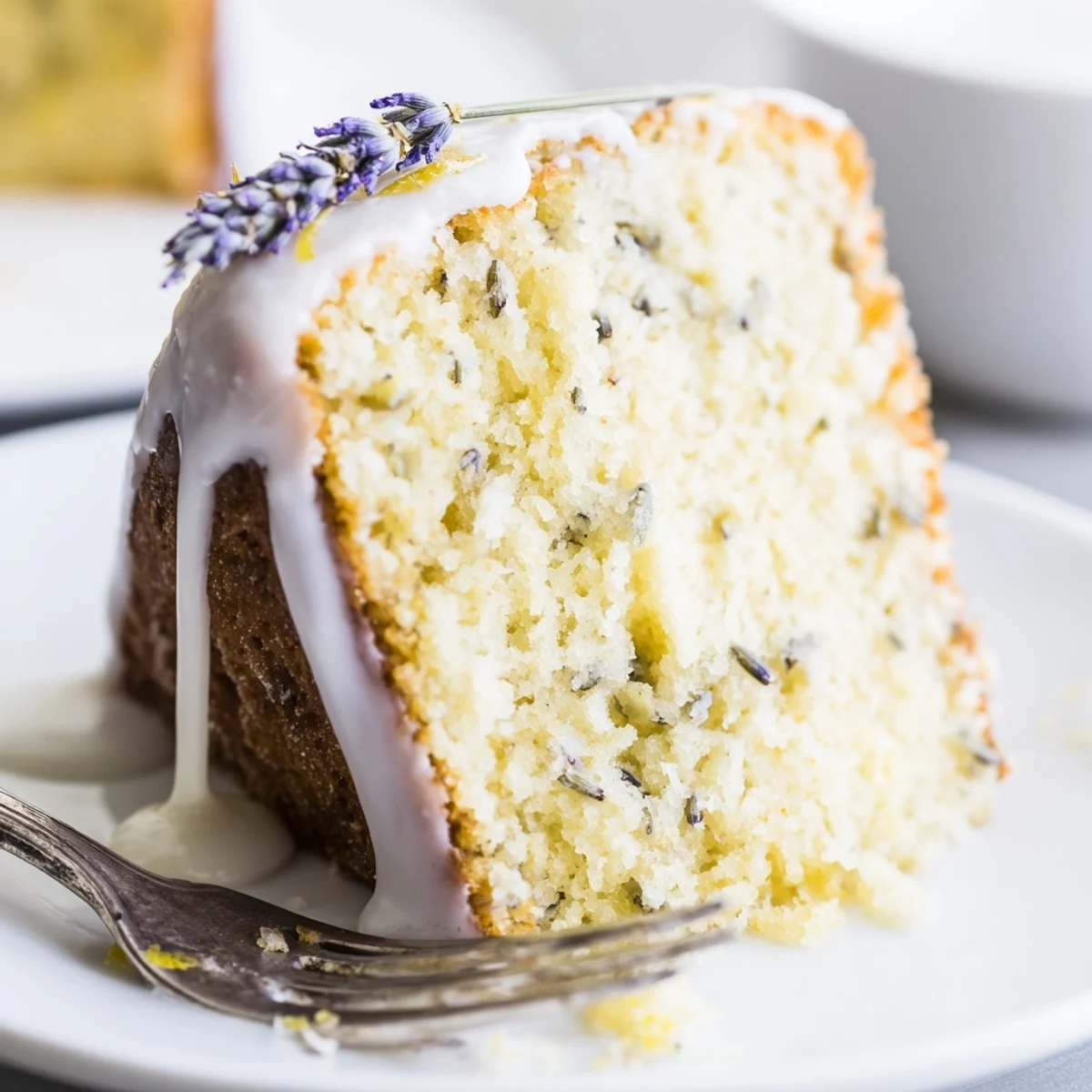
- Whisk powdered sugar and lemon juice until smooth and pourable. Drizzle it back and forth over the cake and watch it cascade down the sides beautifully.
 Save
Save This cake became my go-to for book club meetings after everyone kept requesting it. Theres something about reading a novel while eating something that tastes like an English garden that just works beautifully.
The Floral Balance
Lavender can easily cross from elegant into soapy territory, and I learned this the hard way with an early batch that ended up in the compost. A single tablespoon is the sweet spot—enough to know its there, not enough to overwhelm the bright lemon that keeps everything fresh and cheerful.
Room Temperature Magic
When all your ingredients start at the same temperature, they emulsify better and create a more tender crumb. I've tried rushing this step with cold ingredients, and the cake always ends up slightly denser, less like cloud and more like bread. Good baking respects temperature.
Storage and Serving
This cake actually tastes better on day two after the flavors have had time to marry and mellow into each other. Keep it covered at room temperature for up to three days, though honestly, it rarely lasts that long in my house.
- Serve with Earl Grey tea for the ultimate afternoon experience
- A dollop of crème fraîche cuts through the sweetness perfectly
- Leftovers make an incredible breakfast with coffee
 Save
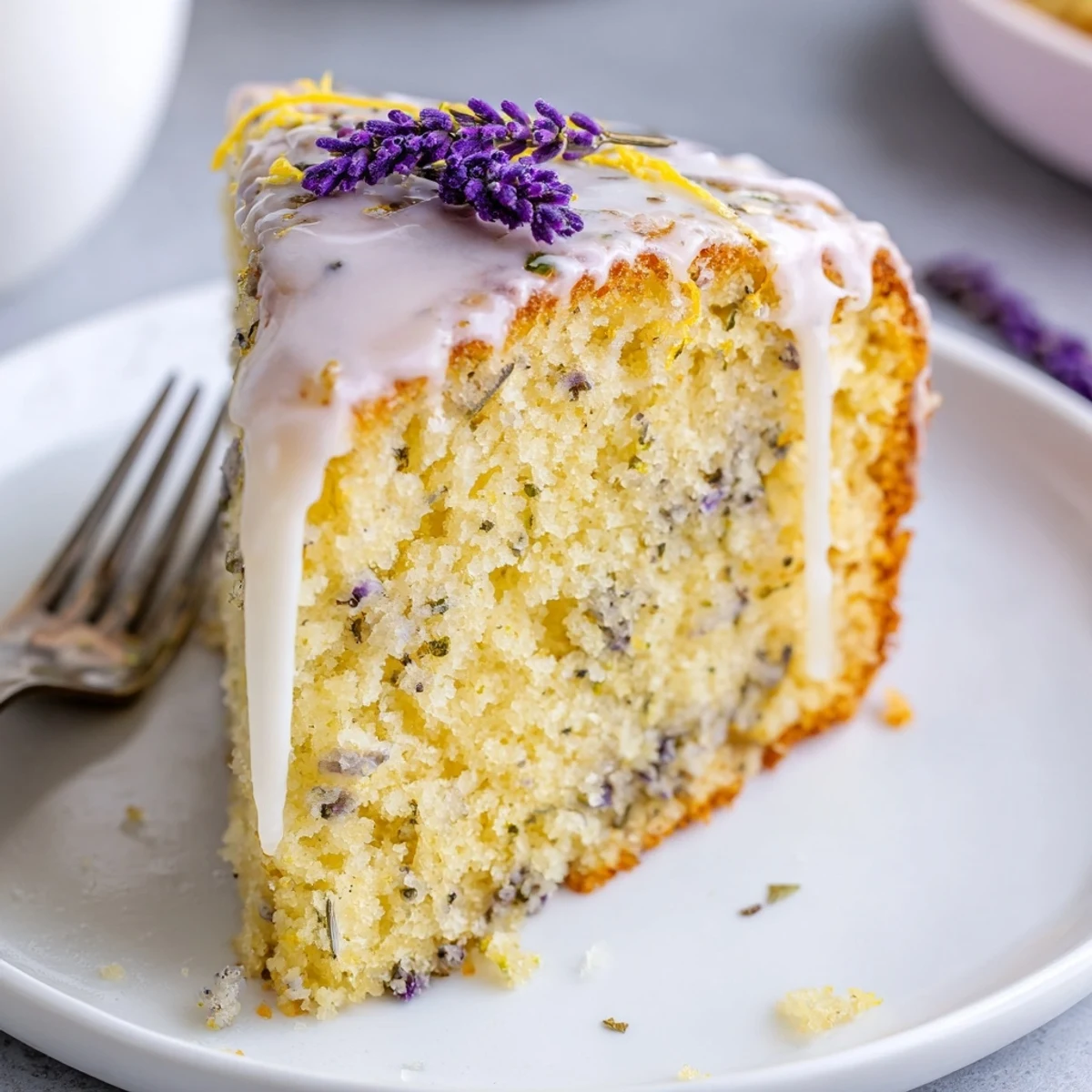
Save I hope this cake finds its way into your kitchen and brings a little bit of summer to your table, whatever the season.
Common Questions
- → Can I use fresh lavender instead of dried?
-
Fresh lavender can be too potent and contain excess moisture. Dried culinary lavender is specifically processed for baking and provides consistent flavor. If using fresh, reduce the amount by half and dry it slightly in the oven first.
- → How do I know when the cake is done baking?
-
Insert a toothpick into the center of the cake. If it comes out clean or with just a few moist crumbs, the cake is ready. The edges should also start pulling away slightly from the pan, and the top should spring back when gently touched.
- → Can I make this cake ahead of time?
-
Absolutely. The unfrosted cake can be wrapped tightly and stored at room temperature for up to two days, or frozen for up to three months. Add the glaze just before serving for the freshest presentation and texture.
- → What makes culinary lavender different from regular lavender?
-
Culinary lavender is specifically grown and dried for food use, ensuring it's free from pesticides and has a milder, sweeter flavor profile. Decorative or potpourri lavender may contain chemicals and have an overpowering, soapy taste.
- → Can I substitute buttermilk for whole milk?
-
Yes, buttermilk works wonderfully and adds extra tenderness. If using buttermilk, consider reducing the baking soda slightly as buttermilk is more acidic. The cake will have a slightly tangier flavor which complements the lemon beautifully.
- → How should I store leftover glazed cake?
-
Store glazed cake in an airtight container at room temperature for up to three days. For longer storage, refrigerate for up to a week, though bringing it to room temperature before serving restores the best texture and flavor.