
 Save
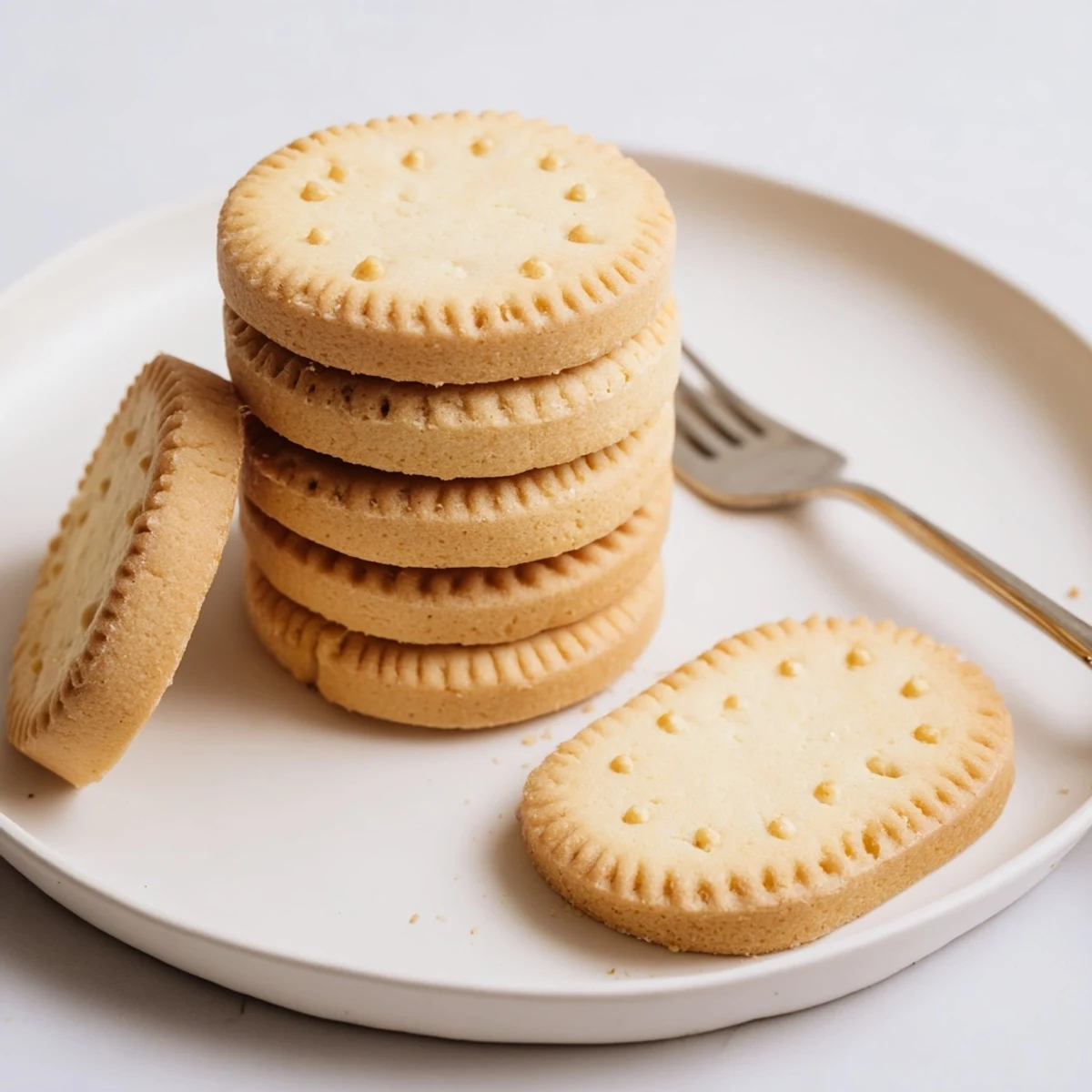
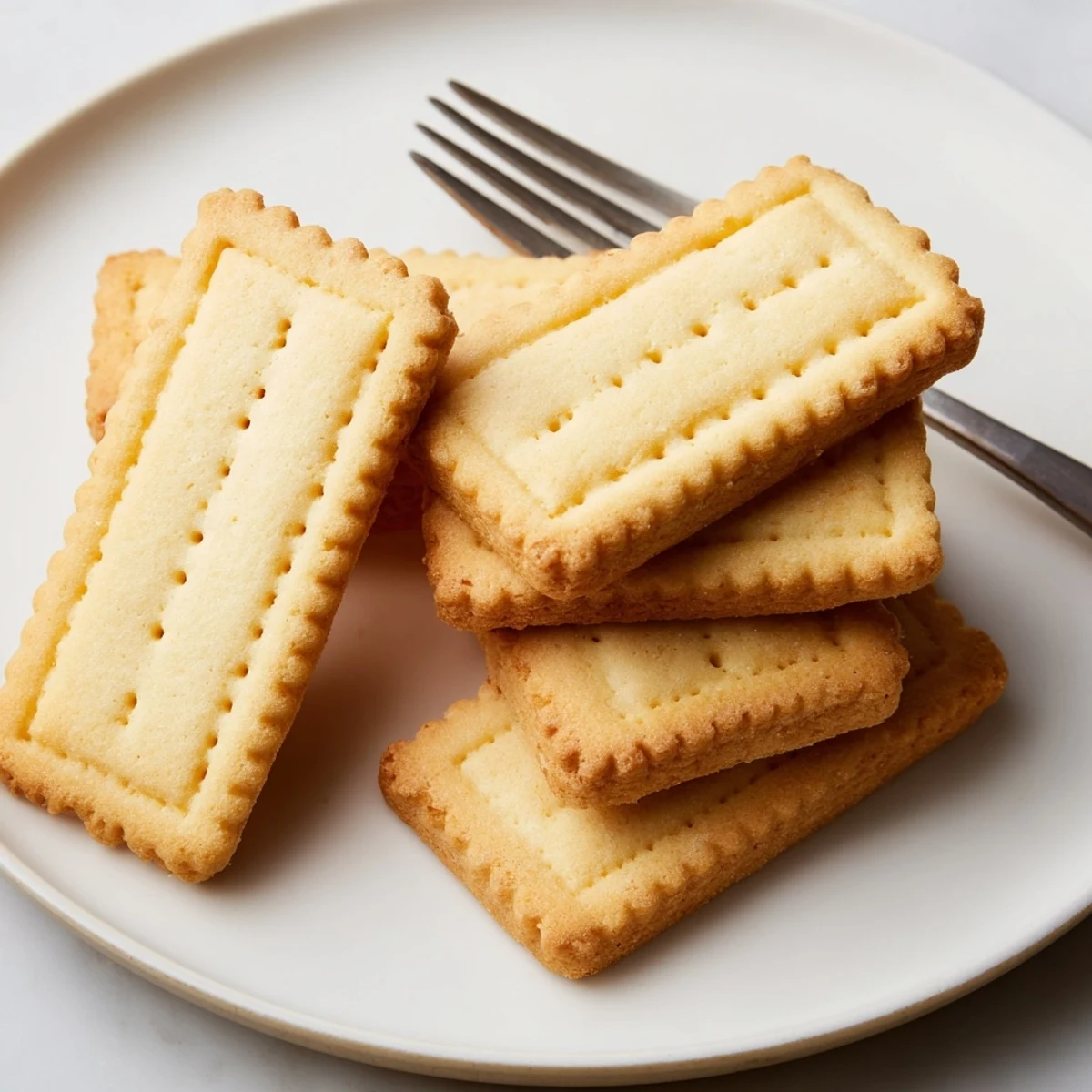
Save Le petit beurre est un biscuit français emblématique, reconnu par sa forme rectangulaire cannelée et ses trous caractéristiques. Doré et croustillant, il se prépare avec des ingrédients simples : farine, beurre doux, sucre, lait et vanille.
La pâte, facile à travailler, repose une heure au réfrigérateur avant d'être détaillée à l'emporte-pièce. Après 12 minutes de cuisson à 180°C, vous obtiendrez environ 40 biscuits légèrement dorés.
Ils se conservent parfaitement une à deux semaines dans une boîte hermétique et accompagnent idéalement le thé, le café ou un verre de lait.
The buttery smell of petit beurre biscuits drifting through a kitchen on a quiet Sunday morning is one of those small joys that makes you slow down without realizing it. I discovered this recipe during a rainy autumn trip to Normandy, where a baker friend handed me one still warm from the oven and watched my face light up. It took me three attempts back home to get the texture right, but those crinkly edged golden rectangles were worth every try.
I baked a full batch for my neighbors holiday open house last December and they disappeared faster than the expensive chocolates sitting right next to them. My neighbor Martine pulled me aside and whispered the recipe, demanding I never share it with anyone else, which of course made me laugh.
Ingredients
- 200 g all purpose flour: This forms the backbone of the biscuit and regular flour gives the classic tender snap without making them tough.
- 100 g granulated sugar: Just enough sweetness to let the butter shine without turning these into something overly sweet.
- 100 g unsalted butter: Use good quality butter here because its flavor is the star of the entire recipe and you will taste the difference.
- 50 ml whole milk: Whole milk creates a richer dough than water would and helps everything bind together smoothly.
- 5 g baking powder (half a packet): A small lift so the biscuits are not completely dense but still keep their satisfying crunch.
- 1 pinch of salt: Salt quietly enhances every other flavor and without it the biscuits taste flat and one dimensional.
- 1 vanilla bean (or 1 packet vanilla sugar): Real vanilla bean scraped into the warm butter mixture fills your kitchen with the most comforting fragrance imaginable.
Instructions
- Melt and marry the base:
- Gently warm the butter with the milk in a small saucepan over low heat, stirring until the butter melts completely, then add the sugar and vanilla, keeping the heat low until every grain dissolves into a silky pool.
- Let it cool slightly:
- Pour the warm mixture into a large mixing bowl and give it a few minutes so it does not scramble or cook the flour when you add it.
- Bring the dough together:
- Add the flour, baking powder, and salt all at once, then stir with a wooden spoon until a soft homogeneous dough forms and pulls away cleanly from the sides of the bowl.
- Rest in the cold:
- Shape the dough into a smooth ball, wrap it tightly in plastic wrap, and tuck it into the refrigerator for one full hour so it firms up enough to roll without sticking to everything.
- Preheat the oven:
- Set your oven to 180 degrees Celsius with conventional heat and line a baking sheet with parchment paper while you wait.
- Roll and cut:
- Dust your work surface lightly with flour, roll the chilled dough to an even 3 to 4 millimeter thickness, and cut out rectangles with a fluted cutter, pressing firmly for those iconic scalloped edges.
- Prick and bake:
- Arrange the biscuits on the prepared sheet, poke each one a few times with a fork in the traditional pattern, and bake for 12 minutes until the edges turn a warm golden brown.
- Cool completely:
- Transfer the biscuits to a wire rack and let them cool undisturbed so they crisp up properly without steaming on the bottom.
 Save
Save There is something deeply satisfying about arranging a plate of homemade petit beurre beside a steaming cup of tea and watching someone bite into one, close their eyes, and go quiet for a moment.
Keeping Them Crisp
Store your cooled biscuits in an airtight tin rather than a plastic container, because metal tins keep the moisture out and preserve that signature snap for up to two weeks. I learned this the hard way after leaving a batch in a plastic bag overnight and finding soft, sad squares the next morning.
Fun Ways to Dress Them Up
A tablespoon of lemon zest folded into the dough adds a bright little twist that pairs beautifully with afternoon tea. You can also melt dark chocolate and dip half of each biscuit, then let them set on parchment paper for an effortless upgrade that looks like something from a Parisian patisserie.
What to Watch For
The beauty of petit beurre lies in restraint, so resist the urge to roll the dough too thick or they will lose their characteristic delicacy. Here are a few last thoughts before you begin.
- Measure your flour by weight rather than volume for the most consistent results every single time.
- If you do not have a fluted rectangular cutter, a clean ruler and a sharp knife work beautifully for straight edged rustic shapes.
- Always let the baking sheet cool between batches so the dough does not soften before it hits the oven.
 Save
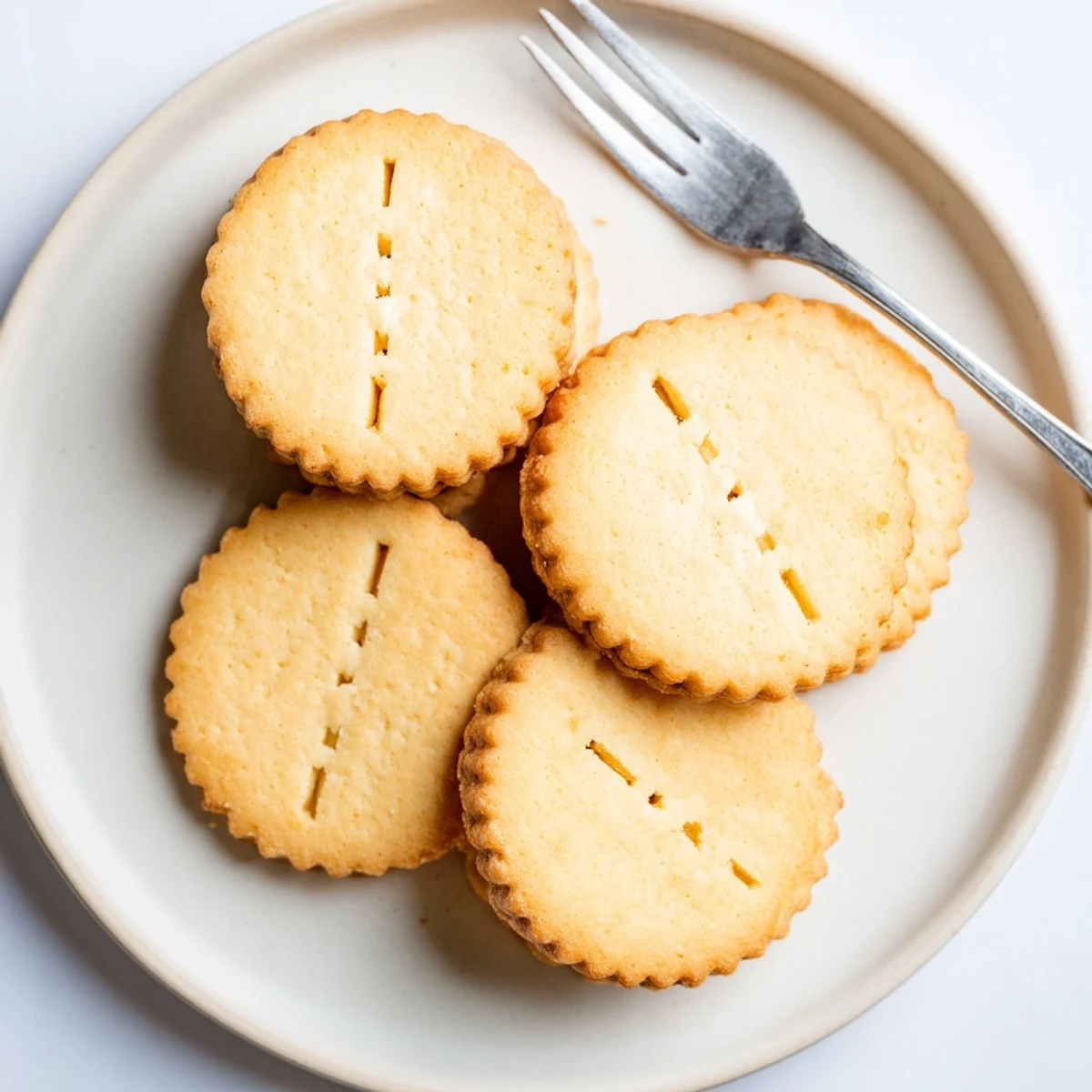
Save These humble little biscuits carry more warmth and comfort than almost anything else in my baking repertoire. Share them generously and watch how quickly a simple afternoon becomes a small celebration.
Common Questions
- → Pourquoi laisser reposer la pâte au réfrigérateur ?
-
Le repos d'une heure au frais permet au beurre de se figer, ce qui rend la pâte plus facile à étaler et à découper. Il détend également le gluten de la farine pour une texture plus croustillante après cuisson.
- → Peut-on remplacer la levure chimique ?
-
Vous pouvez utiliser du bicarbonate de soude alimentaire (2 g environ) associé à une pointe de vinaigre ou de jus de citron. Toutefois, la levure chimique reste idéale pour obtenir la texture légère et régulière du petit beurre traditionnel.
- → Comment obtenir des biscuits bien réguliers ?
-
Étalez la pâte sur une épaisseur uniforme de 3 à 4 mm en utilisant des cales de pâtisserie si besoin. Utilisez un emporte-pièce rectangulaire cannelé et piquez régulièrement avec une fourchette pour une cuisson homogène.
- → Peut-on aromatiser les petits beurre autrement ?
-
Absolument. Ajoutez une cuillère à soupe de zestes de citron ou d'orange à la pâte. Vous pouvez aussi incorporer de la cannelle, de la cardamome ou tremper la moitié des biscuits dans du chocolat fondu une fois refroidis.
- → Quelle est la meilleure façon de conserver les petits beurre ?
-
Placez-les dans une boîte hermétique à température ambiante, à l'abri de l'humidité. Ils se conservent ainsi une à deux semaines en gardant leur croustillant. Évitez le réfrigérateur qui les ramollirait.