
 Save
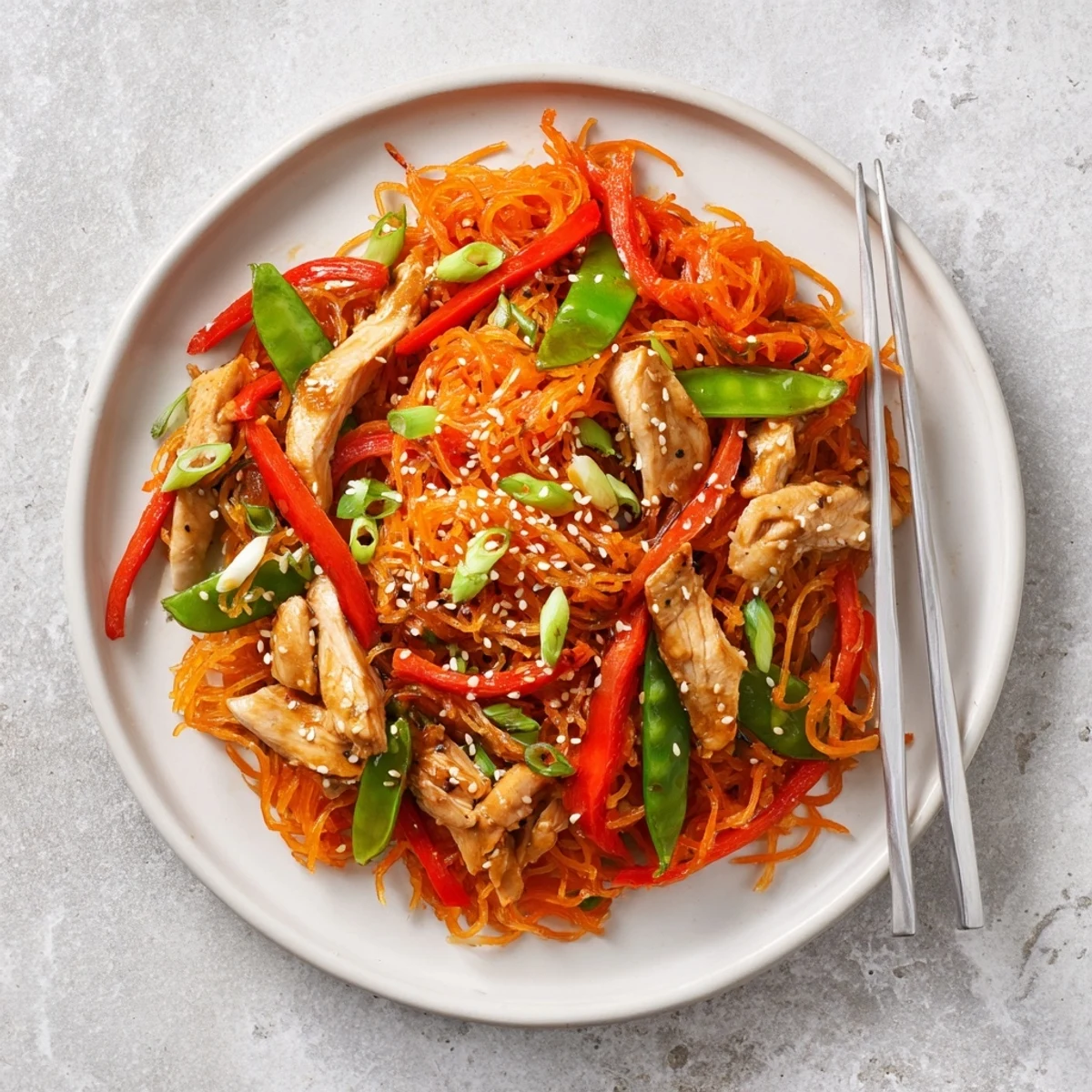
Save This healthy twist on classic Asian chow mein swaps traditional wheat noodles for roasted spaghetti squash, creating a naturally gluten-free, low-carb version that doesn't sacrifice flavor or satisfaction. The dish features tender sliced chicken breast, colorful vegetables like carrots, bell peppers, and snap peas, all coated in a savory homemade sauce with tamari, sesame oil, and just a hint of sweetness.
Preparation involves roasting the squash until tender, then shredding it into noodle-like strands before stir-frying with aromatics like garlic and fresh ginger. The entire dish comes together in about an hour and serves four people generously. Perfect for those seeking lighter Asian-inspired meals without the heavy carbohydrate load of traditional noodle dishes.
The smell of sesame oil hitting a hot wok is one of those scents that instantly pulls me into my mothers kitchen, even though she never once cooked spaghetti squash in her life. She would have been suspicious of it, honestly, a vegetable pretending to be a noodle. But the first time I roasted one and pulled those golden strands loose with a fork, I called her immediately and said I found something she needed to try.
I made this for my neighbor Dave last winter when he casually mentioned he was avoiding gluten and looked like he might cry at the thought of giving up chow mein. We ate standing at my kitchen counter, pulling strands straight from the wok with chopsticks, and he did not say a word for ten minutes, which is the highest compliment Dave has ever given anything.
Ingredients
- 1 large spaghetti squash: This is your noodle base, so pick one that feels heavy for its size with a firm, unblemished skin.
- 1 cup shredded carrots: They add sweetness and that bright orange color that makes the whole dish look vibrant.
- 1 red bell pepper, thinly sliced: Slice these thin so they cook quickly and maintain a slight crunch.
- 1 cup snap peas, trimmed: The snap and freshness of these little pods balance the richness of the sauce beautifully.
- 2 green onions, sliced: Save these for garnish so they stay crisp and sharp.
- 2 cloves garlic, minced: Fresh garlic only, the jarred stuff loses too much punch in a stir fry.
- 1-inch piece fresh ginger, grated: Grate it right before it goes in the pan because ginger loses its fire fast.
- 2 boneless, skinless chicken breasts, thinly sliced: Slice against the grain and on a slight bias so each piece is tender.
- 1/4 cup gluten-free soy sauce (tamari): Tamari has a rounder, deeper flavor than regular soy sauce and keeps this gluten-free.
- 1 tablespoon oyster sauce (gluten-free if needed): This is the secret weapon that gives the sauce its savory, slightly thick clinging power.
- 1 tablespoon sesame oil: Use toasted sesame oil and add it to the sauce, not the cooking oil, so the flavor stays bold.
- 1 tablespoon rice vinegar: A little acidity lifts everything and keeps the dish from tasting flat.
- 1 tablespoon honey or maple syrup: Just enough sweetness to round out the salty and sour elements.
- 1 teaspoon Sriracha (optional): Add more if you like it fiery, or leave it out entirely for a milder dish.
- 2 tablespoons vegetable oil: Split this between roasting the squash and stir-frying so nothing sticks.
- 1 tablespoon sesame seeds: Purely for that finishing crunch and visual appeal.
Instructions
- Roast the squash:
- Preheat your oven to 400 degrees F and halve the squash lengthwise with a sharp knife, scooping out the seeds and stringy bits. Brush the cut sides with oil, place them face down on a baking tray, and roast for 35 to 40 minutes until a fork pierces the skin easily.
- Whisk the sauce:
- While the squash works its magic in the oven, whisk together the tamari, oyster sauce, sesame oil, rice vinegar, honey, and Sriracha in a small bowl until smooth. Give it a taste and adjust the heat or sweetness before you need it.
- Cook the chicken:
- Heat one tablespoon of oil in a large skillet or wok over medium-high heat until it shimmers, then add the sliced chicken in a single layer. Let it sear for 5 to 6 minutes, turning once, until golden and cooked through, then set it aside on a plate.
- Stir-fry the vegetables:
- Add the remaining oil to the same pan and toss in the garlic, ginger, carrots, bell pepper, and snap peas all at once. Keep them moving for 3 to 4 minutes so they soften slightly but still have bite.
- Shred the squash:
- Once the squash is cool enough to handle, take a fork and scrape through the flesh from stem to end, watching it separate into long golden strands. Stop when you hit the skin and add all those strands to the skillet.
- Bring it all together:
- Toss the squash with the vegetables, return the chicken to the pan, and pour the sauce over everything. Stir and cook for 2 to 3 more minutes until every strand is coated and glistening.
- Finish and serve:
- Transfer to a big bowl or plates and scatter the sliced green onions and sesame seeds over the top. Serve immediately while the steam is still rising.
 Save
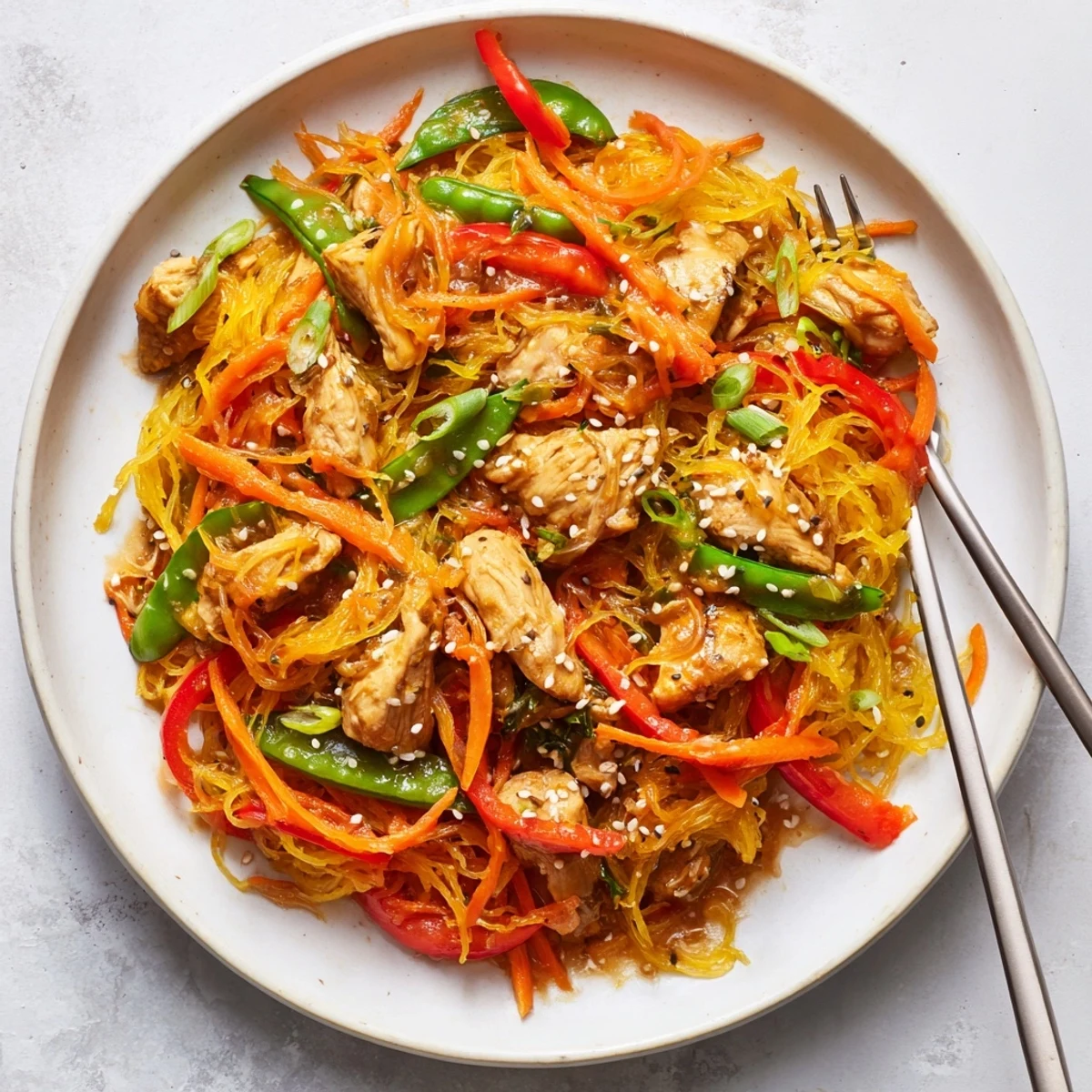
Save There is something quietly thrilling about scraping that first fork through roasted squash and watching it transform into something that genuinely resembles a plate of noodles. It feels like a small kitchen magic trick that never gets old.
Swaps and Variations
I have thrown mushrooms and shredded cabbage into this when the vegetable drawer needed clearing, and both disappeared so seamlessly that nobody noticed. Shrimp works beautifully in place of chicken, and firm tofu pressed and cubed makes it entirely plant-based without sacrificing texture.
Tools That Make It Easier
A heavy wok is ideal but a large deep skillet works just fine if that is what you have. The most important tool is actually a sturdy sharp knife for splitting the squash, because those things are stubborn and I have wrestled with enough of them to know a flimsy blade is a recipe for frustration.
Serving and Pairing
This dish stands well on its own but a cup of jasmine tea alongside it makes the whole meal feel deliberate and calm. I have also served it with a crisp white wine on warm evenings when eating outside felt like the right thing to do.
- Pass extra Sriracha at the table so everyone can dial in their own heat level.
- Squeeze a little fresh lime juice over the top right before serving for a bright finish.
- Leftovers reheat beautifully in a skillet the next day and somehow taste even better.
 Save
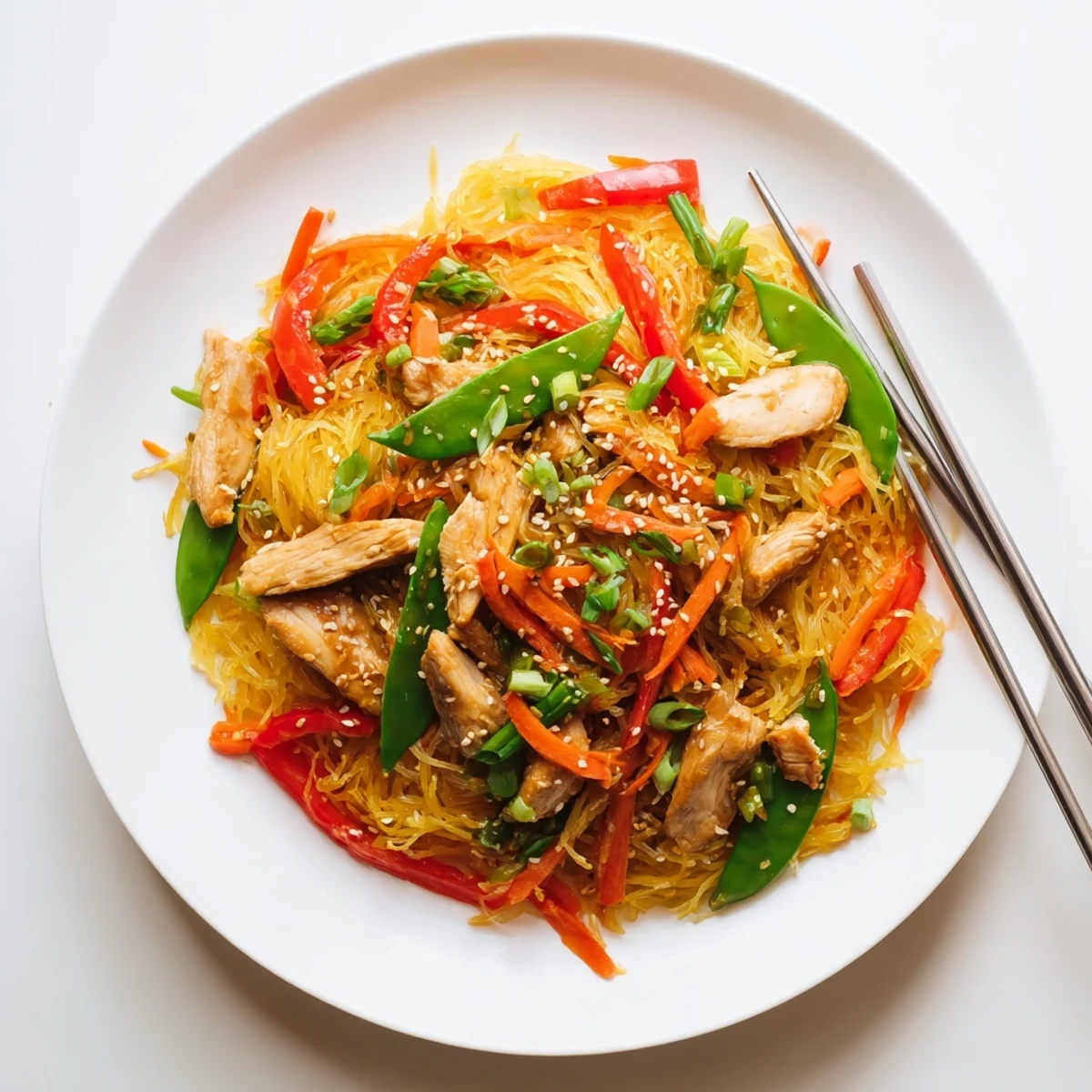
Save Every time I make this dish I think about how cooking is really just a series of small experiments that sometimes turn into something worth repeating. This one earned a permanent spot in my rotation, and I hope it finds its way into yours too.
Common Questions
- → Is this dish gluten-free?
-
Yes, when using gluten-free tamari instead of regular soy sauce and certified gluten-free oyster sauce, this chow mein is completely gluten-free. Always check labels to ensure your sauces meet your dietary needs.
- → Can I make this vegetarian?
-
Absolutely. Substitute the chicken with firm tofu or extra vegetables like mushrooms, cabbage, or bok choy. Use vegetarian oyster sauce or mushroom sauce to maintain that deep umami flavor.
- → How do I store leftovers?
-
Store in an airtight container in the refrigerator for up to 3-4 days. Reheat gently in a skillet over medium heat, adding a splash of water if needed to prevent sticking. The squash may become slightly softer when reheated.
- → Can I freeze this dish?
-
While possible, freezing may affect the texture of the spaghetti squash, making it more watery upon thawing. For best results, enjoy fresh or refrigerated within a few days.
- → What other vegetables work well?
-
Mushrooms, cabbage, bean sprouts, broccoli florets, or baby corn all make excellent additions. Feel free to use whatever crisp vegetables you have on hand for a personalized version.
- → Is this suitable for low-carb diets?
-
Yes, this is naturally lower in carbohydrates than traditional chow mein since spaghetti squash replaces wheat noodles. Each serving contains about 27g of carbohydrates, making it suitable for many low-carb eating plans.